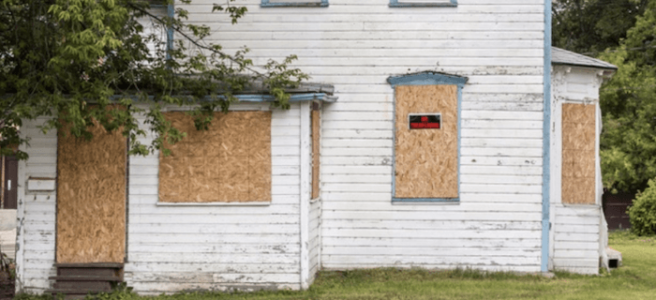
There was a time when all my optimism and positivity about our life in Miami started to vanish. “Where are the sunny days that were once promised to me? How come I wasn’t happy?” I constantly asked myself. I was literally facing horror day after day and I didn’t know where to go or what to do to make things right again. The initial joy of finding our dream home and the promise of a better and happier life were all starting to fade away.
“It’s Positive!”
I woke up one day feeling sick and extremely nauseous and this carried on for the next few days. I thought that I was having bouts of hormonal imbalance again, which had been a constant battle for me since puberty since I noticed light spotting. It was easy for me to conclude that since I’ve always had an irregular monthly period.
Before deciding to see a doctor, I took a home pregnancy test which revealed positive results. Yes! It was positive, I was pregnant! You couldn’t imagine the joy I felt. Todd and I were literally jumping for joy and thanking the heavens above that despite my hormonal imbalance, we’re actually having a baby!
“I’m sorry. There’s no heartbeat.”

Todd took me to an OB-Gyne clinic in the hospital where he’s working. The doctor confirmed through the blood tests that I was indeed 6 weeks pregnant. However, I need to come back after 2 weeks for an ultrasound to check for the heartbeat and to confirm the viability of my pregnancy. I was prescribed with prenatal vitamins and Folic Acid supplement.
Two weeks passed and I was back in the clinic. I was quite worried about having an ultrasound because, instinctively, I wasn’t feeling pregnant anymore. I was no longer feeling nauseous and the pregnancy symptoms were all gone. The ultrasound confirmed all my fears because what the doctor saw was an empty sac that indicates a blighted ovum. There was no heartbeat.
The pregnancy wasn’t viable and I needed to wait for my body to reject it. Otherwise, I needed to undergo a D & C procedure to remove all products of conception. I felt crushed and defeated but there’s really nothing much I can do but to accept the bad news.
“We need to perform a D & C”
Two days after being diagnosed with a blighted ovum and a non-viable pregnancy, I started bleeding and having slight fever. Todd took me to the hospital and the OB-Gyne informed me that she needed to perform D & C (Dilatation and Curettage) to remove the contents of my uterus; otherwise, I could end up losing a lot of blood. Without hesitation, we agreed to it. On my part, I just wanted to get it done and over with so I can move on. The whole experience had caused me a great deal of trauma and pain. And as I lie on the operating table waiting for the general anaesthesia to kick in, I began to doubt if I’ll ever be happy again.
“Our entire living room has been soaked with rainwater.”
A few days after my D & C procedure, I was still recovering from the trauma when a heavy storm hit Fort Lauderdale. I was lying alone in our bedroom late at night when the storm got so severe. Todd attended a 2-day conference in North Carolina at that time and he won’t be home until the next day. So, I immediately went down to secure everything and to make sure that all windows are closed when I saw rainwater pouring all over one side of our living room wall like waterfalls.
I panicked not knowing exactly what to do and who to call. I ended up taking anything that could possibly catch the water that’s pouring down. I moved all the furniture and took down the wall decors. It was devastating to see the chaotic state of our once pretty living room.
I stayed up until morning seated on our moist sofa with my feet wet and cold from the water that’s all over our living room floor. I was too afraid to sleep through the stormy night. When the rain stopped around noontime, I called Todd to tell him that “our entire living room has been soaked with rainwater overnight.”
“We regret to inform you that your insurance claim has been denied.”
“Don’t worry, honey. The insurance will take care of everything.” This is what Todd kept telling me as soon as we filed for an insurance claim for roof damage. We opted for temporary remedies to restore our living condition back to normal – at least while waiting for the insurance coverage. A few days later, we received a letter from our insurance provider stating that our insurance claim has been denied. In that instance, I was already at my wit’s end. That was my breaking point and I was literally ready to give up and set the entire house on fire.
at least while waiting for the insurance coverage. A few days later, we received a letter from our insurance provider stating that our insurance claim has been denied. In that instance, I was already at my wit’s end. That was my breaking point and I was literally ready to give up and set the entire house on fire.
“Finally, there’s a ray of sunshine.”
But life has its own way of turning things around in an instant. One of our neighbors approached us and told us about hiring a Public Adjuster Miami residents usually call in such times. Todd went in for a consultation and submitted all the requirements. All damages were assessed right away and within a few weeks, we got an insurance coverage – fair and square.
The Public Adjuster did all the work for us and negotiated on our behalf which means that we were spared from a stressful and ugly situation. It’s a good thing because, at that point in our lives, I was 100% ready to face the consequences of smacking down the face and breaking all the bones of our insurance representative. I was just grateful it didn’t have to reach that point; because technically, the Public Adjuster had a much better idea of handling the matter and a more peaceful way of getting things settled on our favor.
“We can always start over.”
Through the assistance and representation made by the Public Adjuster, we received a good settlement that can cover all the cost of damages to our home. It’s enough to bring it back to how it used to be – only this time, stronger and better than before.
Perhaps, it’s an indication for me as well to start rebuilding my life again and to re-claim all lost dreams. Needless to say, I took this ray of sunshine as an opportunity to start over and to recover from the horror tales that are all behind me now.